

Tired of the 9-to-5 grind and wishing you had more time for your family?
Ten years ago, I was right where you are, craving flexibility, purpose, and a better way to earn outside of the office. Now, I have discovered a business that is helping women make $450 per hour offering permanent jewelry, and it is changing lives.
When you sign up, I’ll send you my free 34-page starter guide so you can see exactly how it works and how to get started. Freedom is possible. Let me show you the first step.
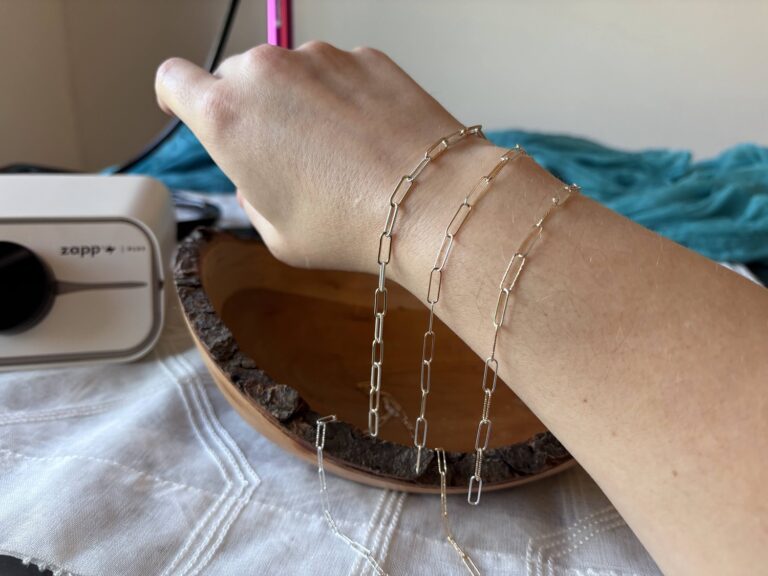
If you have spent any time scrolling Instagram this summer, you have probably seen permanent jewelry artists welding delicate chains around their customers’ upper arms. Finished with dangling accents, charms, or layered details, these permanent arm cuffs look fresh, feminine, and undeniably gorgeous. I completely understand why artists are excited to offer them and customers are lining up to get them.
I was intrigued enough to try the trend myself. I created a permanent arm cuff and fitted it so snugly that my husband immediately commented on how tight it looked around my arm. I assumed that if anything would keep the chain in place, that close fit would do it. After only a little natural movement, though, the chain worked its way down my arm and slipped right off.
The problem was not the weld or the quality of the chain. It was gravity and the natural shape of my arm. Unlike a bracelet that is stopped by the hand or an anklet that cannot slide over the heel, an upper-arm chain often sits above an area that gradually becomes narrower. Once the chain begins moving, the shape of the arm may give it a natural path downward.
We foster relationships with trustworthy brands. The testimonials on our site represent real experiences, but they don't guarantee you'll achieve similar results. When you make purchases through our links to our partners, we may earn a commission. These are our personal opinions only. You can read our full disclosure here.
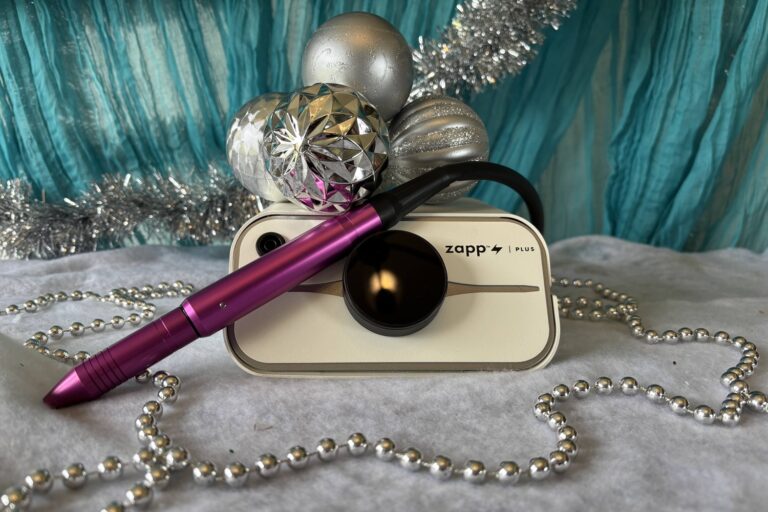
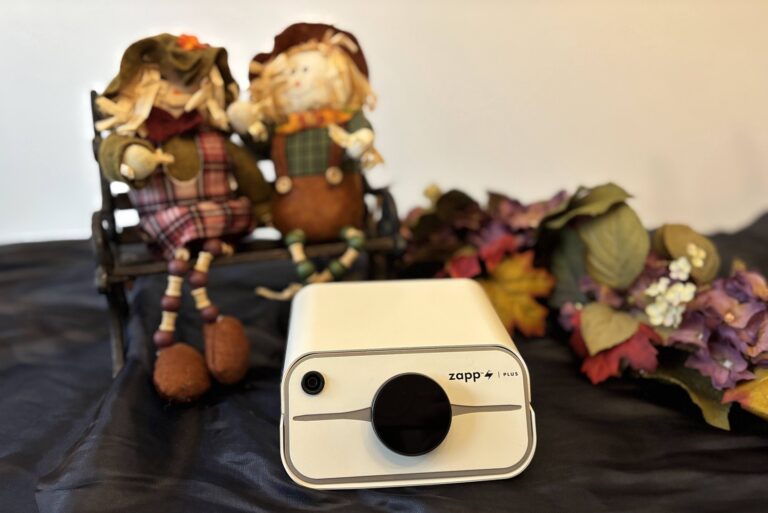
HOW TO GET STARTED: Copy the code ➡️ TRINITYTPAHP and enter it at checkout. For a limited time, you can save 5% on your welder, up to $200 off the tools that power your whole business.

4 Reasons The Permanent Arm Cuff Trend Isn’t Real Life
My experience does not mean every permanent arm cuff will immediately fall off, and it certainly does not take away from how beautiful these pieces can be. Still, it raises an important question that deserves more attention. Can a permanent arm chain remain where it was fitted once the customer leaves the appointment and begins moving through everyday life?
1. The Upper Arm Has No Natural Barrier
The biggest difference between a permanent arm cuff and more traditional permanent jewelry has less to do with the weld and more to do with anatomy. The weld closes the chain, but the contours of the body are what keep it from coming off. A properly fitted bracelet cannot pass over the wider hand. An anklet is stopped by the heel and foot, while a permanent necklace has an opening that is too small to pass over the head.
An upper-arm chain often lacks that same protection. For many people, the arm is wider near the shoulder and gradually becomes narrower as it moves toward the elbow. If the chain begins sliding, it travels toward an increasingly narrow area, making it even easier for the cuff to continue moving.
The elbow may stop the chain for some people, but that still leaves it sitting far below its intended placement and potentially interfering with natural movement. Depending on the person’s anatomy and the size of the cuff, the chain may also slip over the elbow and come off completely.
This is what makes calling the piece permanent a little complicated. The chain may be secured with a flawless connection using a pulse arc welder, yet the wearer could still lose it without cutting or breaking it. Its construction may be permanent, but its position on the upper arm is far less secure.
2. A Tighter Fit Does Not Guarantee It Will Stay Put
The most obvious solution to a sliding arm cuff may be to shorten the chain, but a tighter fit does not necessarily make the piece secure. A delicate chain remains flexible enough to work its way across the skin as the wearer moves. Once it reaches a narrower part of the arm, the snug fit it had at its original placement no longer matters.
My own test made this especially clear. The cuff looked tight enough for my husband to notice, yet a little natural movement was still enough to send it down my arm and eventually off completely. I could have made the chain even shorter, but that would have introduced a different concern.
The upper arm changes shape as the muscles flex and relax. A chain that feels comfortable while the customer holds their arm still may press into the skin when they reach, lift, carry something, or flex. Since the piece has no clasp, the wearer cannot loosen or adjust it when the fit becomes uncomfortable.
This leaves artists trying to find a very narrow balance. The cuff needs enough room for comfortable movement, yet it also needs enough friction to resist sliding. Even then, a tighter chain cannot change the natural taper of the arm. It may delay the movement, but there is no reliable guarantee that it will keep the cuff in place.
Related: How to Start a Permanent Jewelry Business
3. Everyday Movement Encourages the Chain to Travel
A permanent arm cuff may appear perfectly secure immediately after it is welded, especially while the customer is sitting still with their arm held in one position. That moment offers a very limited picture of how the piece will behave once the customer leaves and begins moving naturally.
Walking, reaching overhead, driving, carrying bags, changing clothes, exercising, and sleeping all create movement between the chain and the skin. Even the natural swinging of the arms can give a flexible chain an opportunity to work its way downward. Clothing may also brush against the cuff or pull it slightly out of place.
The movement does not have to be dramatic. My own cuff began traveling with very little activity. Once a chain moves below its original placement, it reaches a narrower part of the arm and gains more room to move. A cuff that felt snug around the upper arm can quickly become loose enough to gather near the elbow or slip off completely.
Customers should be able to go about their normal routines without carefully guarding the position of their jewelry. If ordinary movement can gradually pull a permanent arm cuff out of place, its real-life wearability deserves as much consideration as its appearance at the moment of the weld.
Related: All-Inclusive Permanent Jewelry Starter Kits
4. Charms and Dangling Accents Add More Pull
Charms, connectors, and dangling chains are often what make permanent arm cuffs so eye-catching. They add movement and personality to the design, helping the finished piece feel more like a statement than a simple chain around the arm. Those same details can also make the cuff more difficult to keep in place.
Gravity naturally draws a hanging charm toward the lowest point, which may cause the chain to rotate or pull unevenly against the skin. As the wearer walks, reaches, or moves their arm, dangling accents can swing and repeatedly tug on the chain. Even a lightweight charm may encourage an already flexible cuff to travel downward over time.
Decorative elements also create more opportunities for the piece to snag on a sleeve, handbag strap, towel, or bedding. A small pull may not damage the weld, but it can move the cuff away from its original placement. Once the chain reaches a narrower part of the arm, it may have enough room to continue sliding.
This does not mean artists need to avoid charms or more elaborate designs altogether. It does mean the complete piece should be tested before it is welded. A plain chain that seems reasonably secure may behave differently once the dangling details are added, especially during the natural movement that comes with everyday wear.
Here’s What You Should Know Before Selling Permanent Arm Chains
What is a permanent arm chain?
A permanent arm chain is a delicate chain fitted around the upper arm and welded closed without a clasp. It may consist of a simple chain or include charms, connectors, and dangling accents. Although it is sometimes called a permanent arm cuff, it remains flexible and does not grip the arm like a structured metal cuff.
Are permanent arm chains actually permanent?
The word permanent describes the clasp-free, welded construction of the jewelry. It does not guarantee that the chain will remain on the upper arm. Since many arms become narrower below the intended placement, a securely welded chain may still slide down and come off without breaking.
Related: How Long Does Permanent Jewelry Last?
How does a permanent arm chain stay in place?
A permanent arm chain relies on its fit, friction against the skin, and the natural shape of the wearer’s arm. Unlike a bracelet that is stopped by the hand, an upper-arm chain may have no reliable body contour preventing it from moving downward. Its ability to stay in place can vary considerably from one person to another.
How tight should a permanent arm chain be?
The chain should feel snug without pressing into the skin, restricting movement, or becoming uncomfortable when the wearer flexes their arm. Finding that balance can be difficult. A loose chain may slide, while an overly tight chain may pinch or leave deep indentations. Testing the fit through a full range of natural movement before welding can help, but it still cannot guarantee that the chain will stay in place.
Can you sleep, shower, swim, or exercise with a permanent arm chain?
The chain material may tolerate water and normal daily wear, but the placement introduces practical concerns. Clothing, towels, bedding, and exercise movements can pull or snag the chain. Repeated arm movement may also encourage it to travel toward the elbow. Customers should understand these possibilities and know how to remove the chain safely if it becomes uncomfortable or gets caught.
HOW TO GET STARTED: Copy the code ➡️ TRINITYTPAHP and enter it at checkout. For a limited time, you can save 5% on your welder, up to $200 off the tools that power your whole business.
A Beautiful Reel Cannot Show Real-Life Wear
Permanent arm cuffs are practically made for social media. Immediately after the weld, the chain rests exactly where the artist placed it, every charm hangs beautifully, and the customer can hold their arm in the perfect position for the camera. A short reel captures that gorgeous finished moment, but it cannot show how the piece performs throughout the rest of the day.
Real-life wear begins once the customer starts walking, reaching, changing clothes, sleeping, exercising, and moving without thinking about the chain. An arm cuff that appears secure during a brief video may begin creeping downward within minutes or hours. By the time it gathers near the elbow or slips off completely, the camera is long gone.
This does not mean artists are intentionally presenting an unrealistic picture. The trend is still relatively new, and many artists may be experimenting with it before they fully understand how the style behaves on different arms. Still, seeing one beautiful arm cuff after another online can make the design appear more reliable than real-world wear testing has proven it to be.
Artists interested in offering permanent arm cuffs may want to wear-test the style themselves and follow up with customers who have tried it. Those experiences can reveal far more than the finished reel alone. A beautiful first impression matters, but permanent jewelry should also work once the customer lowers their arm and the camera stops recording.