What is Permanent Jewelry? How to Explain it with Confidence

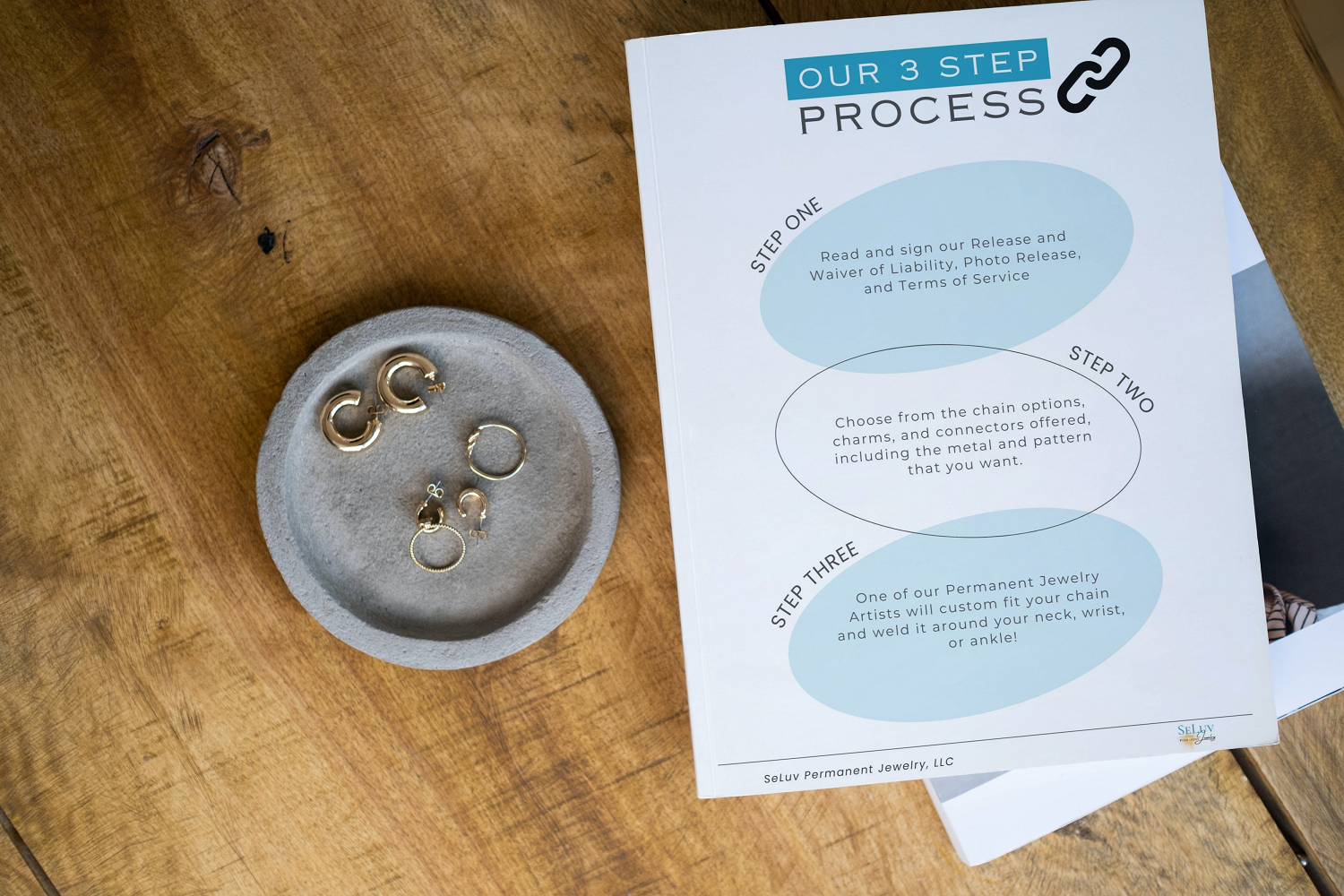
3 step permanent jewelry process sheet displayed on table next to jewelry

Tired of the 9-to-5 grind and wishing you had more time for your family?

Ten years ago, I was right where you are, craving flexibility, purpose, and a better way to earn outside of the office. Now, I have discovered a business that is helping women make $450 per hour offering permanent jewelry, and it is changing lives.

When you sign up, I’ll send you my free 33-page starter guide so you can see exactly how it works and how to get started. Freedom is possible. Let me show you the first step.


I remember when I first heard the term “permanent jewelry.” I had no idea what it meant or how it worked, but the business side of it grabbed my attention right away. It sounded fancy and maybe even a little intimidating, but the more I looked into it, the more I realized how simple and meaningful it really is.

Chances are you’re either learning the basics or thinking seriously about starting your own permanent jewelry business. And if you’ve got the motivation to learn the skill, you’re already on the right path.

Here’s where a lot of new artists get stuck. They know they can handle the hands-on part, but when someone asks, “What exactly is permanent jewelry?” it’s hard to put it into words. That hesitation can make it tough to promote your services or help people understand what you do.

You’re not the only one who feels that way. Many beginners struggle to explain permanent jewelry in a way that clicks with potential clients. They know it’s beautiful and special, but the words don’t always come easily.

That’s what I’m here to help you with. I’ll give you a simple way to describe what permanent jewelry is, how the process works, and why so many people are falling in love with it. Once you can confidently walk someone through it, talking about your business and helping customers naturally fall in love with what you offer becomes much easier.

We foster relationships with trustworthy brands. The testimonials on our site represent real experiences, but they don't guarantee you'll achieve similar results. When you make purchases through our links to our partners, we may earn a commission. These are our personal opinions only. You can read our full disclosure here.

What is Permanent Jewelry?

Mother and daughter forever bracelets

When someone asks about permanent jewelry, here’s exactly what you can tell them in a way that’s simple, clear, and easy to understand.

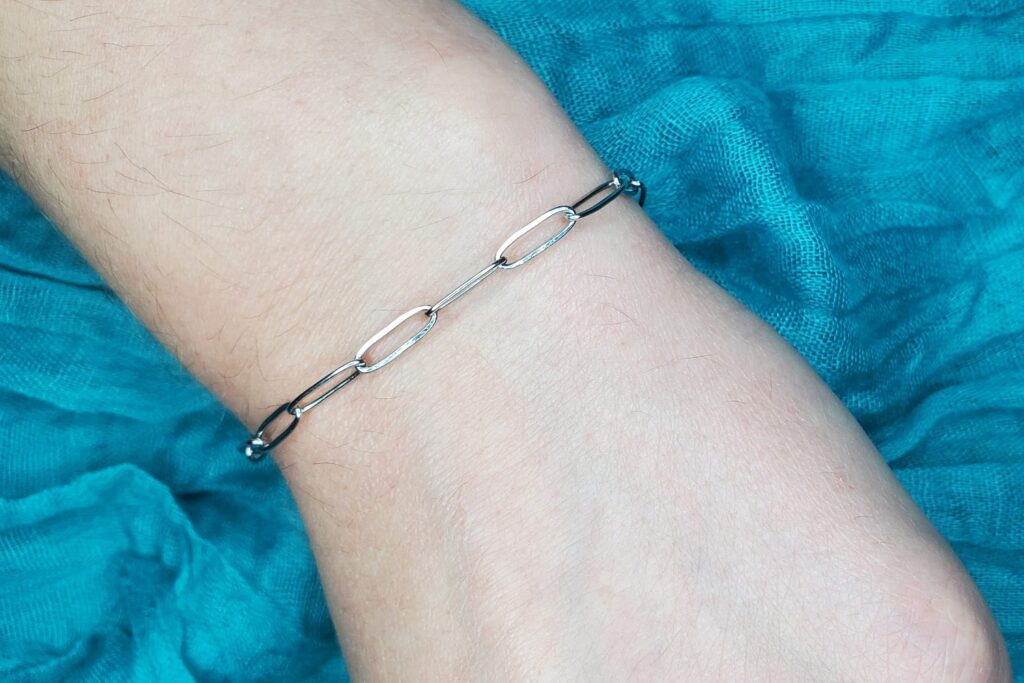
Permanent jewelry is a custom-fit piece that’s welded closed instead of fastened with a clasp. It’s made to be worn all the time—during sleep, showers, workouts, and daily life—without needing to take it off or worry about losing it.

Even though it’s called “permanent,” it’s not necessarily forever. The chain can be safely removed with scissors if needed, and many artists offer re-welds or adjustments if it comes off or stretches out. A piece of permanent jewelry can also break for safety reasons if it gets snagged on something.

The real draw isn’t just the jewelry itself—it’s the experience. Getting permanent jewelry might simply be a personal preference, or it can represent a memory or a meaningful moment in time. It could celebrate a friendship, mark a milestone, or be a thoughtful gift to oneself.

As someone offering this service, you’re not just providing a beautiful piece—you’re helping create something your client will carry with them every single day. Most people start with bracelets, but permanent jewelry can also include anklets, necklaces, rings, and more.

Related: 6 Lies Artists Tell to Keep You Out of Permanent Jewelry

The History of Permanent Jewelry

Thanks to the rise in permanent jewelry’s popularity, it’s easy to believe that this is a new trend or fad. In actuality, this type of service has been around for years – and is rumored to have been started in 1969 with the Cartier Love Bracelet, created by French designer Aldo Cipullo.

The Love Bracelet was one-of-a-kind, removing the need for a clasp to secure the bracelet onto its owner. This bracelet is still being sold today, for thousands of dollars, and is attached to and removed from a wrist with a screwdriver. Thanks, in part, to Cartier, permanent jewelry has since evolved into the service we see today.

Why People Love It

unfinished silver heart chain

When someone asks you, “Why do people love permanent jewelry so much? What’s the point?”—here’s what you can say with confidence.

Permanent jewelry has become popular because it’s more than just a fashion statement. It blends personal meaning with everyday style in a way that’s both simple and deeply personal. For many people, it’s not just about the jewelry itself. It’s about what it represents.

Some wear it as a friendship bracelet that never comes off. Others choose it to celebrate a milestone, like an anniversary, graduation, or a personal achievement. It might be a quiet reminder of a loved one, a season of growth, or a gift to themselves for getting through something hard. The meaning behind each piece is as unique as the person wearing it.

Some people just love how easy it is. There’s no clasp to mess with, no need to take it off at night or before a shower. You can swim in it, sleep in it, and wear it every day without even thinking about it. It becomes a natural part of their life, both stylish and sentimental.

Personally, I’m just a bit lazy when it comes to jewelry. I’ve never enjoyed the everyday routine of picking pieces, clasping them on, or trying to match them to an outfit. When I got my first few pieces of permanent jewelry, I was completely obsessed with how practical it was. I could roll out of bed, throw on whatever I was wearing that day, and still look put together without even trying. It was like an effortless upgrade to my everyday look—and I was hooked.

Related: Should You Add Permanent Jewelry to an Existing Business?

What the Welding Process Looks Like for the Client

When someone asks, “How does it work?”—this is your chance to walk them through it in a calm and confident way. Most people are curious but just want to know what to expect before they sit down in the chair. Here’s how you can describe the experience step by step.

1. Choose a Chain (and Optional Charm/Connector)

handing pointing to permanent jewelry chain and connector options

First, they’ll choose a chain. You’ll have several options laid out in different metals and styles, like gold-filled, sterling silver, or stainless steel. Some may want something dainty and minimal, while others prefer something bold or layered.

This part feels a lot like shopping for regular jewelry, and most clients enjoy dangling the chains across their wrists and finding their perfect look. If you offer charms or connectors, this is the time for them to choose those pieces.

2. Get Custom Fitted

welding a bracelet

Next, you’ll custom fit the chain. It’s gently wrapped around the wrist, ankle, or neck—wherever they choose—and adjusted for comfort so it sits just right.

Once they’re happy with the fit, you’ll connect the ends using a small jump ring. This is the part that turns the chain into a closed loop. Give your client a chance to observe the fit before moving forward to make it permanent.

3. Get Welded

Trinity wearing IR shade 5 glasses while welding permanent jewelry

Finally, the welding. Offer your client a pair of IR shade 5 safety glasses if they would like to watch closely. If not, you can instruct them to look away or cover their eyes with their free hand.

A professional pulse-arc welder is used to close the jump ring with a quick spark. Nothing touches the skin, and the process is over in seconds. It feels like any other jewelry fitting, right up until that tiny flash of light.

You can reassure your clients that the process is quick, completely safe, and painless. It’s simply a fun, unique way to mark a memory or treat themselves to something beautiful they’ll wear every day.

Related: Is Permanent Jewelry Worth It? A Busy Mom’s Perspective

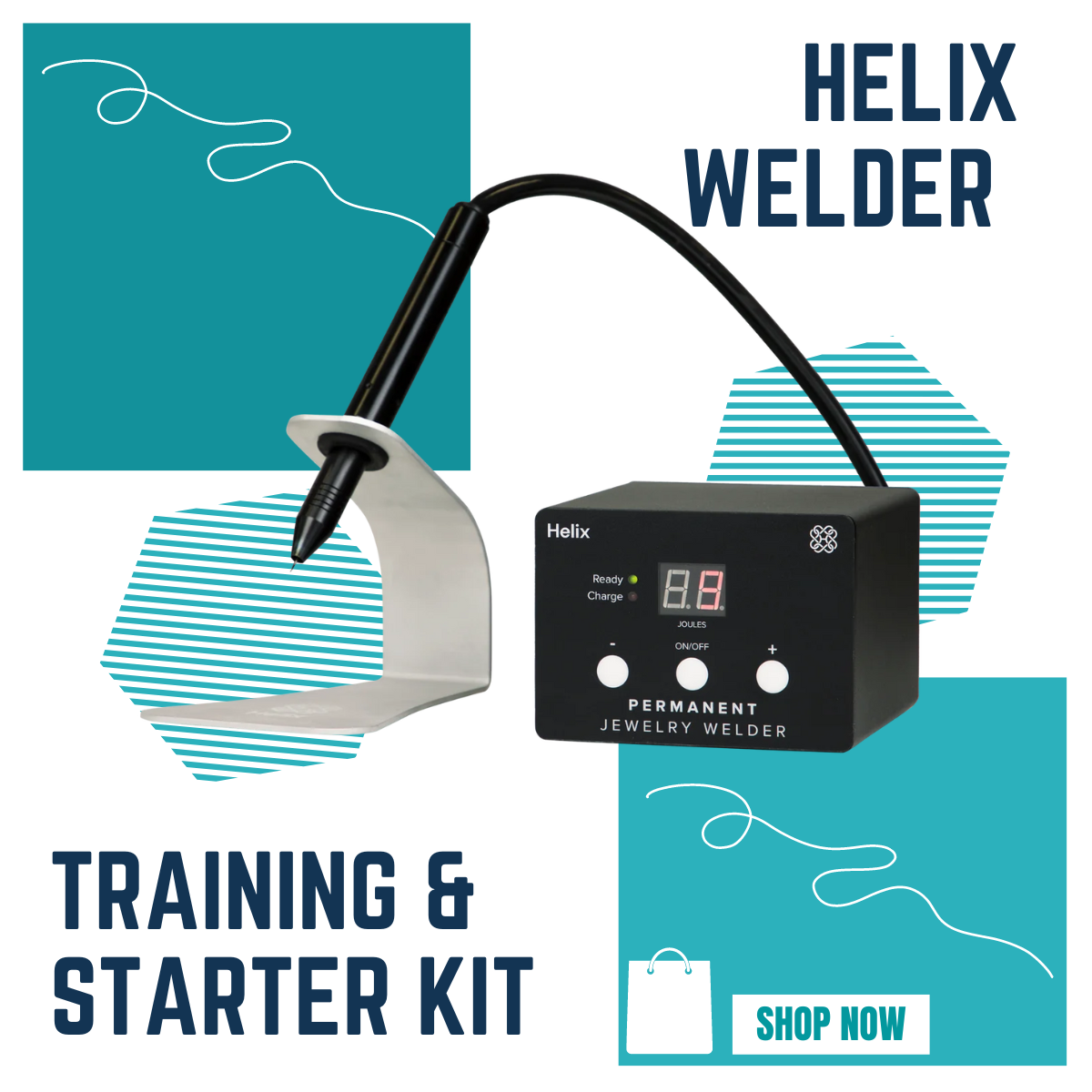
HOW TO GET STARTED: Copy the code ➡️ TRINITYTPAHP and enter it at checkout. For a limited time, you can save 5% on your welder, up to $200 off the tools that power your whole business.

which permanent jewelry machine should you choose graphic


Pros and Cons of Permanent Jewelry

As an artist, one of the best things you can do for your clients is help them make a choice that actually fits their lifestyle. Permanent jewelry is beautiful and personal, but it’s not for everyone—and that’s okay. Being upfront about the benefits and limitations helps build trust and positions you as a professional who truly cares.

Here’s a balanced way to walk your clients through the pros and cons so they can decide what’s right for them.

Pros of Permanent Jewelry

1. No Clasp, No Fuss

Once it’s on, it stays on. There’s nothing to remove or reattach every day. It’s perfect for people who want a minimalist routine or tend to forget to put jewelry on in the first place.

2. Custom Fit and Style

Each piece is measured to fit their wrist, ankle, or neck exactly. No sliding around or awkward lengths. The chain styles are carefully chosen to match their lifestyle, taste and comfort.

3. Safe for Everyday Life

High quality chains used for permanent jewelry are water-friendly and safe to wear while sleeping, showering, swimming, or working out. No need to constantly take it off and put it back on.

4. Sentimental Value

Whether it’s a friendship bracelet, a celebration of a life milestone, or just a symbol of self-love, the meaning behind the piece often matters more than the metal.

5. Lightweight and Comfortable

Once it’s on, many clients say they forget it’s even there—until someone compliments it.

Cons of Permanent Jewelry

1. It’s Not Technically Forever

While it’s meant to last, it can break if caught or pulled hard. Thankfully, it can usually be repaired and rewelded, but it’s not indestructible.

2. Removal Requires Scissors

You can’t just unclip it. If someone changes their mind or needs to remove it for a medical procedure, they’ll have to cut it off. This isn’t a big deal for most, but it’s worth knowing upfront.

3. Not Ideal for Everyone’s Job or Lifestyle

Some workplaces or activities (like certain healthcare roles or contact sports) may not allow jewelry. It’s a good idea to ask about any restrictions before getting welded.

4. May Stretch or Tarnish Over Time

Just like any jewelry, permanent pieces are still subject to normal wear. Some metals may stretch or dull depending on how they’re cared for and what they’re exposed to.

Related: Will Permanent Jewelry Tarnish? (Here’s What You Can Do)

Addressing Safety and Professional Standards

One of the best ways to build trust with your clients, especially those who seem unsure or hesitant, is to show them you take safety and professionalism seriously. Even if they’ve never heard of permanent jewelry before, they’ll remember how clearly and confidently you walked them through what to expect. That’s what brings people back to you when they’re ready.

You can start by reassuring them that the welding process is completely safe when done properly. The welder uses a small, controlled pulse of electricity to close the jump ring, and the entire process is quick and gentle. Nothing touches the skin, it does not hurt, and most clients are surprised by how quick it feels.

As an artist, it’s important to use proper safety gear. Offer your client safety glasses if they want to watch. You should always wear yours, too. Clean tools, a clutter-free work surface, and an organized setup go a long way in helping you look and feel professional. If you’re using argon gas, explain that it helps create a cleaner weld.

Let clients know that you’ve trained for this. Mention your certificate of completion if you have one, and talk openly about how you clean your tools and prepare your workspace between appointments. Most people just want to feel like they’re in good hands, and your attention to detail will give them that peace of mind.

Many first-time customers are curious about how to choose a good artist. You can use that to your advantage by becoming the one who answers those questions with care. When someone feels safe, seen, and informed, they are far more likely to become a returning client—or to send someone else your way.

HOW TO GET STARTED: Copy the code ➡️ TRINITYTPAHP and enter it at checkout. For a limited time, you can save 5% on your welder, up to $200 off the tools that power your whole business.

which permanent jewelry machine should you choose graphic


Permanent Jewelry FAQs

As an artist, you’re likely to get a lot of questions—some expected, and some that might catch you off guard. The following FAQs will help you prepare thoughtful, professional answers to things your clients may ask (even if you haven’t thought of them yet).

How long does permanent jewelry last?

The idea behind permanent jewelry is that it’s designed to be worn all the time. There’s no clasp, no daily removal, and no need to take it off for things like swimming, showering, or sleeping.

That said, life happens. If your chain ever breaks or gets snagged on something, many artists offer re-welds or adjustments—sometimes at no extra cost. Every artist sets their own policies when it comes to broken pieces, so it’s always a good idea to ask about that upfront.

How much does it cost to get permanent jewelry?

The cost will vary depending on the piece that you want, and whether it’s a bracelet, necklace, or anklet. Necklaces are typically the most expensive, because they utilize more chain material than an anklet or bracelet.

Each permanent jewelry artist creates his or her own prices for services and materials. You are paying for the expertise and for the pieces themselves.

Related: Is Permanent Jewelry Worth It? A Busy Mom’s Perspective

Can you wear permanent jewelry through airport security?

Airport security doesn’t typically require travelers to remove any pieces of fine jewelry when going through metal detectors. You should not be asked to take off your forever jewelry.

Can you wear permanent jewelry through MRI?

Many hospitals require patients to remove all jewelry before going through an MRI. This is done for their safety and to avoid having a foreign body show up on the scans. If you need to get an MRI, you will most likely have to cut off your permanent jewelry in compliance with hospital policy. Simply plan ahead and ask your jewelry artist if he or she can re-weld the piece back on after the MRI is finished.

Does it hurt to get permanent jewelry?

The permanent jewelry process is completely painless. The experience is pleasant and fun from start to finish. To prevent vision damage, wear your protective eyewear or look away when the welding machine is in use.

Not Ready Today? How to Get It Done in the Future

Once someone understands what permanent jewelry is and how it works, that doesn’t always mean they’re ready to get their first piece that same day. Be prepared for the next question, which is often, “Where can I get it done?”

As a permanent jewelry artist, it helps to have a clear, friendly answer ready—whether you work from a home studio, travel for private events, or pop up at markets and local boutiques. Some artists take studio appointments by request, while others build their business around vendor events, festivals, or collaborations with salons. Private parties are also a big hit, especially for birthdays, bridal showers, or moms’ nights out.

There’s no one right way to offer your services, but it’s important to share what options you provide in a way that makes your potential client feel informed and comfortable.

Sometimes, you’ll explain everything perfectly and the person in front of you will still say, “Let me think about it.” That’s totally okay. Not everyone is ready to commit on the spot, and pushing too hard can backfire. What you can do is leave them with a lasting impression.

This is where your professionalism becomes marketing. Hand them a clean, easy-to-read business card. If you can, include a QR code that links to your Instagram or booking site. Let them know where you’ll be next, or how to reach out when they’re ready. The key is to give helpful, pressure-free information that shows you care more about their comfort than making a sale in the moment.

That kind of approach builds trust. Even if they walk away today, they’ll remember the way you made them feel—and more often than not, they’ll come back when the time is right.

Related: 195 Jewelry Name Ideas to Inspire Your Next Collection

Confidence Comes with Practice (and the Right Support)

As a new or aspiring permanent jewelry artist, it’s normal to feel a little unsure about how to talk about what you do—especially when you’re just getting started. But now that you understand what permanent jewelry is and how the process works from a client’s point of view, you’re in a much stronger position to explain it clearly and professionally.

That clarity is what builds trust. The more confident you feel walking someone through the experience, the more confident they’ll feel sitting in your chair. And the best part is, you don’t have to figure it all out on your own.

If you’re still in the research phase or thinking about getting trained, consider choosing a company like Sunstone Engineering. They walk you through everything step by step—from safety and welding techniques to marketing and client communication. You’ll have someone to answer all your questions, help you avoid the common beginner mistakes, and make sure you feel fully prepared for your first event. That kind of support can make a huge difference, especially when you’re trying to launch with confidence instead of hesitation.

So if you’re serious about starting a permanent jewelry business, keep reading more about the process and start talking about what you want to do, even before you feel fully ready. Every time you explain the process, it gets easier to find the right words and sound like the professional permanent jewelry artist you aspire to be.

Similar Posts

Leave a Reply

Your email address will not be published. Required fields are marked *